
Baby's sleep

Sleep 

Baby’s sleep is closely linked to their comfort.

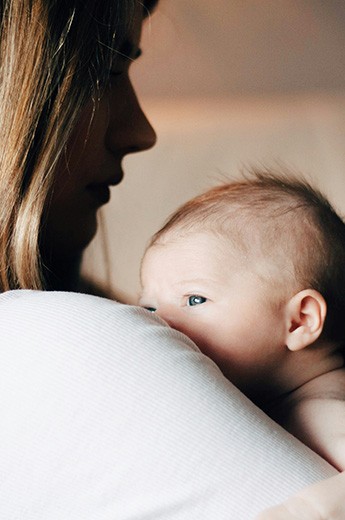
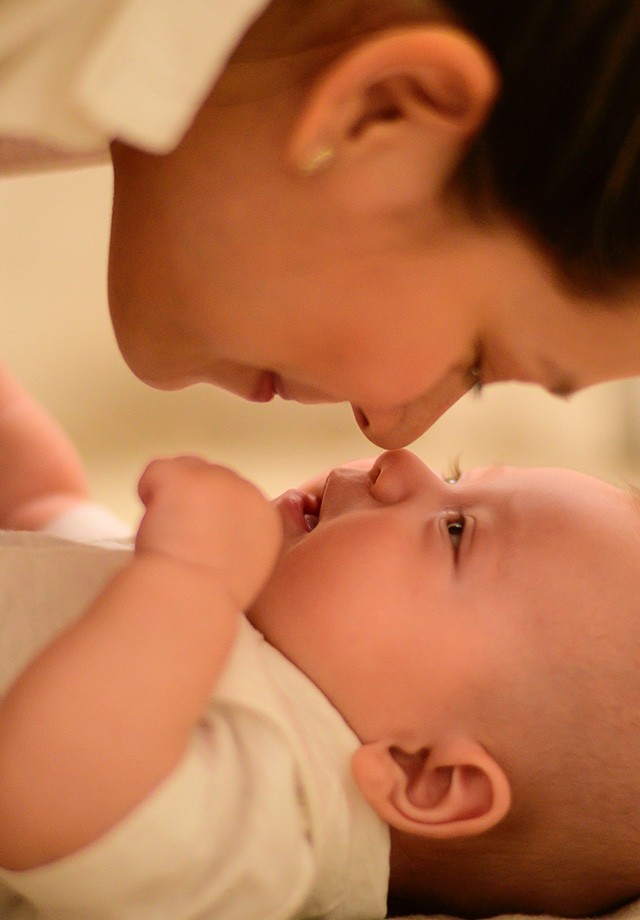
A baby who is hungry, cold, hot, wet, or afraid may have trouble falling asleep. In fact, falling asleep is triggered by a drop in body temperature and goes hand in hand with well-being hormones. Therefore, close parenting, cuddles, kisses, and gentle words will meet your baby’s physiological needs.

How is your baby’s sleep organized?

In the first months of life, your baby alternates between wakefulness and sleep very regularly. They wake up, eat, need a clean diaper, a cuddle, the sound of your voice, and go back to sleep. At this stage, your baby can sleep just about anywhere! A bassinet allows you to meet their sleep needs while keeping them close thanks to its portability. This can be reassuring—for both your baby and you.

Then your baby develops and becomes more alert, showing more interest in the world you introduce them to. Their sleep, like all their skills, will evolve.

Sleep is made up of a succession of cycles, often illustrated as a little train, with each “car” representing a different stage of sleep. At the end of each cycle, a wake-up can occur. Even we adults wake up several times during the night. What’s unique about baby sleep is that their cycles are much shorter than those of adults, which results in more potential awakenings. Sleep evolves gradually through a long maturational process. From about 50-minute cycles at birth, they gradually increase to 90–120 minutes around the age of 3 to 4. The composition of the cycles also changes during the first years. The awakenings between each cycle may be brief—called micro-awakenings—or longer and require your intervention.

Responding to your baby’s calls helps strengthen their emotional security. They will feel assured of your presence and their need to call out will diminish.

Sleep is a true exploration, just like going down a slide. Your baby needs to feel confident enough to climb the steps, reach the top, get into position, and finally let themselves slide down and stop safely. At each step, you support them with your kind presence—through a warm gaze, verbal encouragement, and comforting proximity. It’s the same with sleep. By being there for your baby throughout the day and meeting their needs in a stable, consistent, and predictable way, you allow them to build enough confidence to explore sleep peacefully.

What kind of environment does your baby need to sleep?

It’s quite simple: a room with a temperature between 18 and 20 degrees Celsius. Remember, falling asleep comes with a drop in body temperature. For their safety and comfort, baby should wear a bodysuit and pajamas inside a sleeping bag.

Some babies need strong physical containment to maintain their feeling of security. In the first weeks, a bassinet helps recreate the comforting boundaries of the womb.

Later on, a crib with bars offers the same feeling of safety. The firm, always flat mattress should be covered with a sheet that carries familiar scents, as should the sleeping bag. The bars offer a visual reference point, while also allowing baby to see through and recognize their environment. As their motor skills develop, your baby will move around and touch the comforting sides of the crib.

To ensure free movement of the head—and thus of the airways—crib bumpers are not recommended.

The safest sleep conditions are:

Lay your baby down on their back, in a sleeping bag, in a crib with a firm, flat mattress. No pillows, duvets, stuffed animals, or crib bumpers. When your baby is old enough, they will choose a transitional object to provide the emotional comfort they need.

This article was written in collaboration with the Eveil&Conseil team to answer parents’ most common questions and to ensure high-quality advice for taking care of yourself and responding to your baby’s needs.

Eveil&Conseil is a collective of passionate and committed health professionals.

Find all their tips and full support on their website www.eveiletconseil.fr or on their app, available on Google Play and the App Store.

Loading...